Jul 22, 2026OEM Guides
Memory Foam Pillow OEM Quality Control: Density, Compression Recovery and Compliance
Verify foam density, slow-recovery performance, aged vacuum-pack recovery, odor control and certificate scope before releasing an OEM memory foam pillow order.
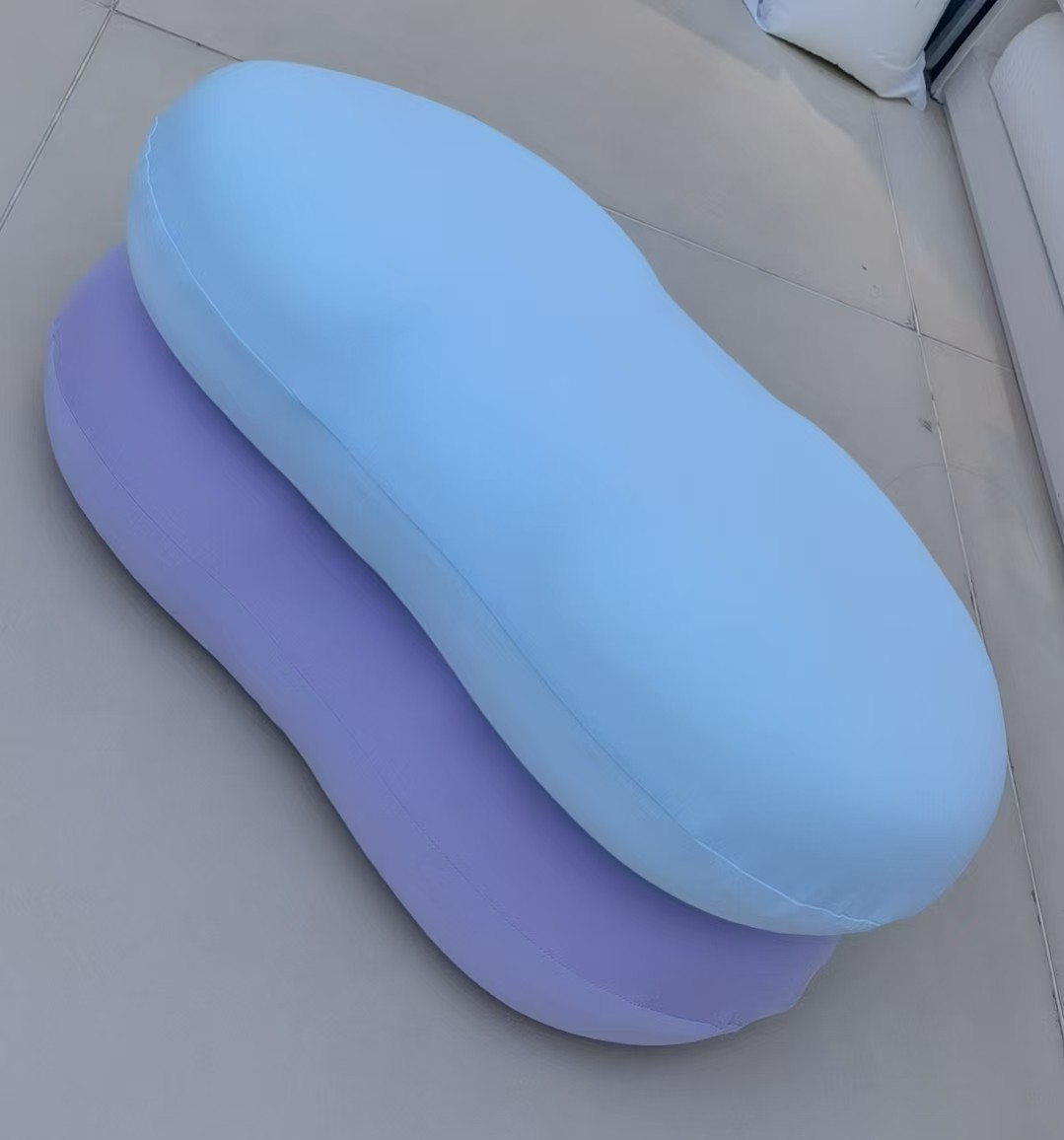
For Amazon FBA sellers, brand founders, distributors and hotel supply buyers, the primary release risk is not hand feel. The commercial risk is an unverified density claim, untested vacuum recovery or certificate evidence that does not cover the ordered component.
1. Density and Firmness Metrics
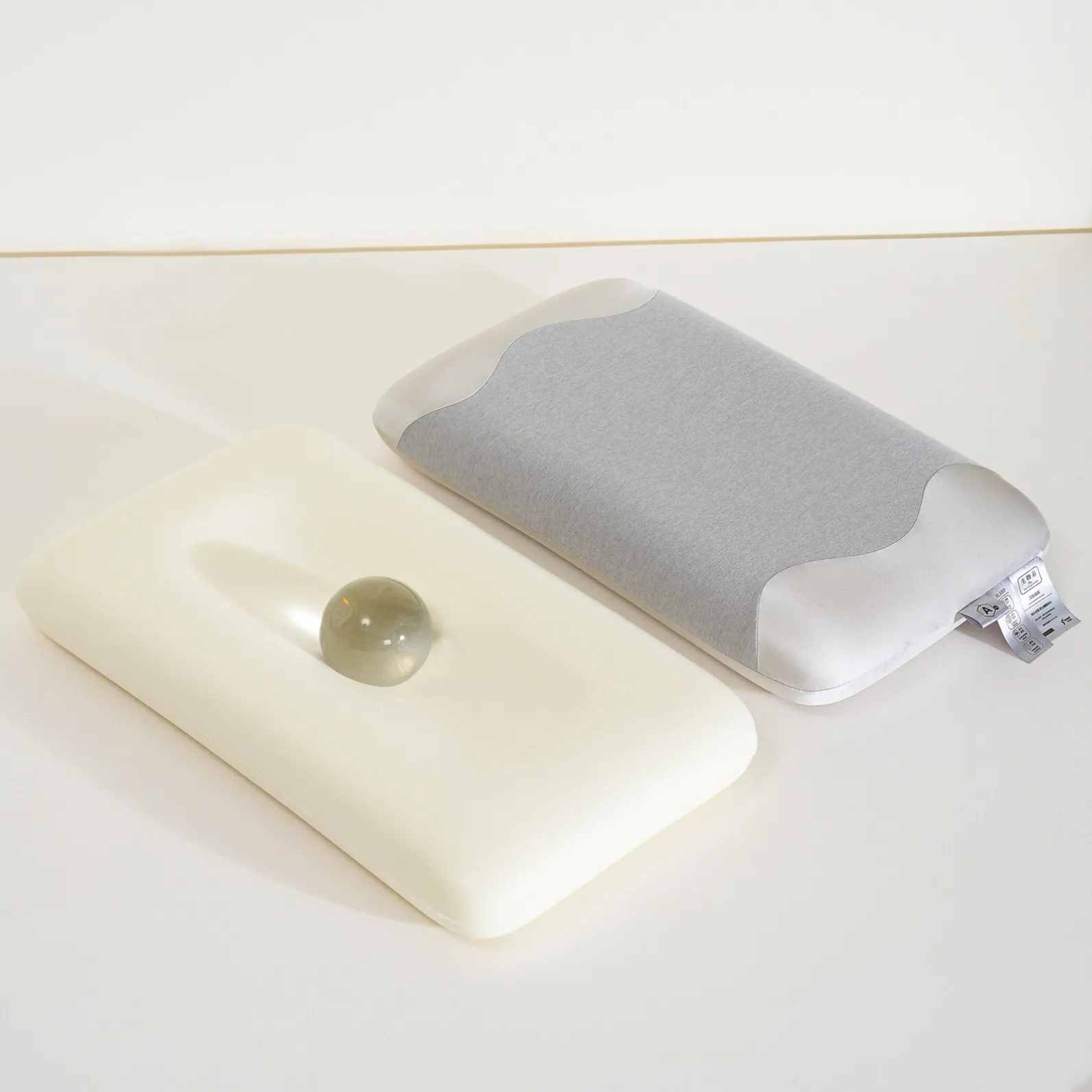
Foam Density is mass per unit volume and must be separated from firmness. For the reference OEM core, the working target is Density 50D, specified as 50 +/- 3 kg/m3.
Record specimen dimensions, conditioning time and the calculation method. Check Core Weight against the approved dimensions because weight provides a second control against an unreliable density claim.
Parameter | Factory Control Target | Release Evidence | Decision Rule |
|---|---|---|---|
Foam Density | 50 +/- 3 kg/m3 | Conditioned lot sample and dimensions | Reject outside tolerance |
Core Weight | 1.20 +/- 0.06 kg for 600 x 400 x 100 mm | Calibrated scale and retained sample | Investigate density mismatch |
Firmness / IFD | 45 +/- 5 N at 25% indentation | Method, temperature and force curve | Approve only against the stated method |
Cover fabric | 95% polyester / 5% elastane | Swatch, GSM and finished-cover test | Audit before packing |
These figures are quotation-stage factory targets. The signed Golden Sample and agreed test method remain the final production release reference.
2. Vacuum Compression Recovery Test
Approve the finished pack, not only an unpacked foam sample. Record the Compression Ratio, seal method, packed dimensions and opening instruction on the Sample Approval Sheet.
Use a working Compression Ratio 3:1 and check at least 90% recovered height after 30 minutes at 23 C. Retain cartons at 30, 90 and 180 days when ocean transit or warehouse dwell creates material recovery risk.
Pack Control | Factory Target | Buyer Record |
|---|---|---|
Compression Ratio | 3:1 | Packed L x W x H and pack photo |
Height recovery | >=90% after 30 minutes at 23 C | Time-stamped measurement |
Odor | Internal grade <=2/5 after 72-hour conditioning | Sealed-pack opening record |
Cover appearance | No permanent crease or seam distortion | Acceptance photos |
3. Off-Gassing and Compliance Release
Manage Off-Gassing through foam conditioning, finished-cover assembly and sealed-pack evaluation. Odor treatment added after final packing is too late for FBA replenishment or hotel rollout.
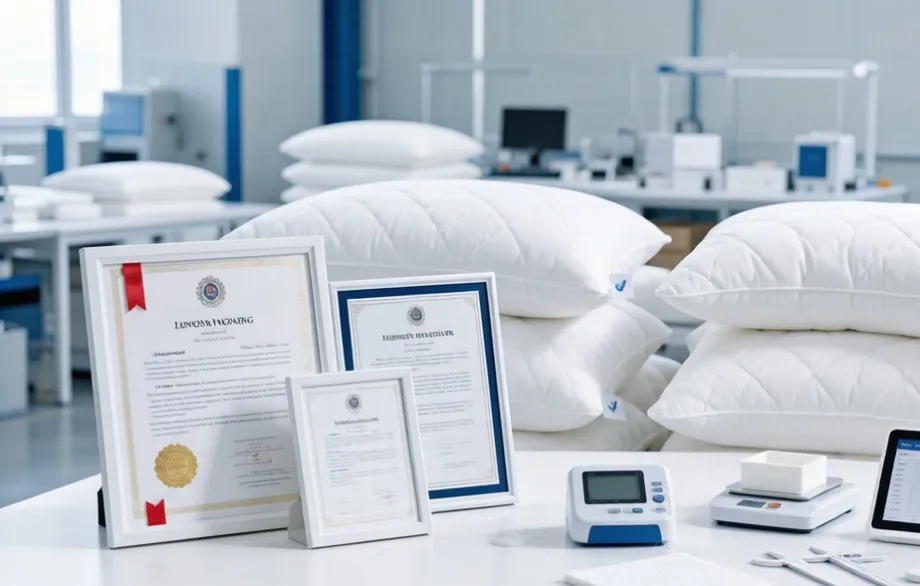
OEKO-TEX STANDARD 100 evidence should show certificate number, holder, product scope, product class and validity. CertiPUR-US evidence applies to the stated flexible polyurethane foam source; it does not automatically cover the cover fabric, packaging or unrelated batches.
An amfori BSCI audit is social-compliance evidence for the audited production site. It does not prove foam density, product safety, customs clearance or marketplace approval.
4. OEM QC, CBM and Shipment Release
Seal one signed Golden Sample and retain a duplicate at the factory. Link density, firmness, dimensions, cover, logo, packaging, certificate scope and Master Carton CBM to the same release checklist.
Our factory supports flexible small-batch configurations, a Free Mockup, rapid physical sampling and a defined Defect Rate checklist. The quotation can show EXW or FOB price, packed dimensions, master-carton data, CBM and loading quantity.
Explore Technical Specs for the Butterfly Contour Memory Foam Pillow
Explore Technical Specs for the Ventilated Flat Comfort Pillow
Request a Custom Bulk Quote