Sep 28, 2026
Meeting Memory Foam Pillow Suppliers at a Trade Fair: A Working Checklist for Buyers
A working trade-fair checklist for memory foam pillow buyers: pre-fair shortlisting, the five questions that qualify a supplier, booth evaluation, and the follow-up that converts.
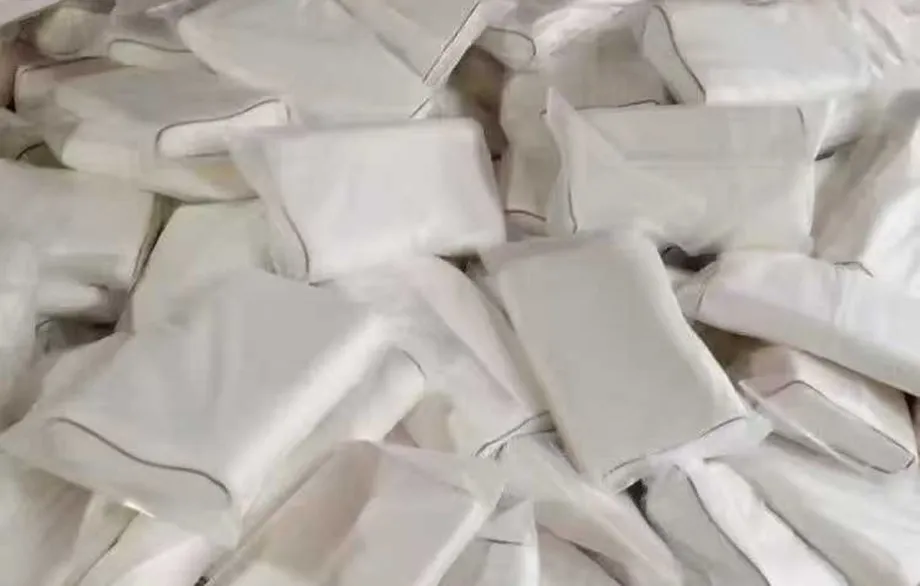
A trade fair compresses a month of email into an afternoon: dozens of pillow suppliers, hands on the actual products, and conversations that would take weeks to arrange remotely. It is also easy to leave with a bag of catalogues, sore feet, and no real qualification done. The difference is a working checklist: know who you are meeting, ask the five questions that actually separate suppliers, evaluate with your hands, and follow up inside two days while the conversation is still fresh.
Before the Fair: Build the Shortlist
The fair rewards preparation more than stamina.
- **Work the exhibitor list in advance** — search the fair's catalogue for pillow and cushion specialists and build a shortlist mapped to hall and booth number.
- **Prefer focused ranges for focus needs** — a booth built around foam pillows and cushions signals depth in exactly what you buy; a generalist home-textile booth may trade your product line out to others.
- **Bring a one-page specification** — your target sizes, densities, cover fabrics, certification requirements, and indicative volumes on one page; it turns a chat into a quotable conversation.
- **Plan a sample budget** — decide before the fair which sample requests you are willing to pay for; paid samples get taken seriously.
- **Book key meetings ahead** — message shortlisted exhibitors a week out; a scheduled conversation beats a hallway ambush.
The First Five Minutes: Range Fit
Booth browsing answers questions before anyone speaks.
- **Scan the range first** — does the displayed product family match your channel, price tier, and quality ambition?
- **Ask what they make in-house** — cutting, sewing, and foam conversion on-site is a different profile from an assembly trader; neither is wrong, but you should know which you are talking to.
- **Check who is at the booth** — a decision-maker who can quote and commit is worth more than a larger stand staffed only by hosts.
- **Match the booth to your volumes** — a factory built for container-scale programs will price small trial orders badly, and vice versa.
The Thirty-Minute Conversation: Five Questions
Five questions, asked consistently at every booth, make suppliers comparable afterwards.
- **Capacity and output** — monthly output for pillow lines specifically, not total factory headcount.
- **MOQ structure** — minimums per SKU and per colourway, and what the minimum for a first trial order looks like.
- **Customisation scope** — which parts they customise in-house (foam profile, cover, packaging, branding) and which they outsource.
- **Compliance documents** — which certificates they hold now, issued to which factory, and whether copies can be sent this week.
- **Lead times** — separately for a repeat order and for a new custom SKU; the gap between the two tells you how much of their process is borrowed.
Write the answers down at the booth, and ask for the same numbers in writing afterwards — verbal figures at a fair are conversations, not quotations.
What to Collect at the Booth
Leave every booth with the same four things so your notes stay comparable.
- **A catalogue and an indicative price list** — list prices are starting points, not quotes, but they rank suppliers cheaply.
- **A direct contact** — the salesperson's own email or messaging contact, not a generic inbox.
- **A sample commitment** — what they will send, paid or free, and by when; write it on their card.
- **Notes on the conversation** — three lines on the back of the card beats a folder of identical catalogues a week later.
Ask permission before photographing products; not everything on a booth belongs to the exhibitor.
Hands-On Evaluation at the Booth
The fair's real advantage is touch, so use it deliberately.
- **Press and recover the foam** — compare slow-rebound feel across booths; your hand learns the range faster than any spec sheet.
- **Weigh pillows** — similar sizes with different weights reveal density differences instantly.
- **Work the covers and zips** — check stitching, zipper quality, and how the cover fits the core.
- **Mind booth wear** — display samples are handled all week; judge construction, not the exact condition of the one piece on the shelf.
Red Flags in the Aisle
A few signals justify moving on early.
- **Certificates "all available" without specifics** — which certificates, issued to which factory, dated when; vagueness here rarely improves later.
- **No stated MOQ or factory address** — a supplier who cannot name a minimum or a location is a trader of uncertain depth.
- **Quotes dramatically below the hall average** — with specifications equal on paper, the difference hides in foam grade or fabric weight.
- **Cannot explain their own product** — a salesperson who cannot state the density of the pillow in their hand has not been close to the production line.
After the Fair: The 48-Hour Follow-Up
The follow-up window is where fairs are won, and it is measured in days.
- **Send your one-pager and specific questions** — reference the conversation at the booth so the supplier knows you were paying attention.
- **Request the document list in writing** — certificates, factory address, and the sample plan you discussed.
- **Sample from the top three, not the top thirty** — depth beats breadth in follow-up; three serious sample evaluations produce a real decision.
- **Keep a per-supplier log** — quotes, MOQs, contacts, and impressions in one file, because fair notes fade faster than memories of sore feet.
Common Mistakes
The same five errors follow buyers out of the hall:
- **Collecting catalogues without notes** — every booth blurs together by the second day.
- **Comparing list prices across different specifications** — a lower price on a lighter pillow is not a better offer.
- **Promising volumes to get attention** — invented commitments surface later as awkward contract conversations.
- **Skipping the follow-up window** — suppliers prioritise the buyers who wrote back first.
- **Judging only on the product** — responsiveness and document discipline at the fair predict the order experience better than the foam does.
Conclusion & Next Step
A fair works when it is run as a process: shortlist before, ask the same five questions at every booth, evaluate with your hands, collect the same four artefacts, and follow up within two days with a specification and a sample request — that turns one afternoon of conversations into a qualified supplier list.
Talk to our sourcing team on WhatsApp **+86 135 8471 3740** to arrange a meeting, receive our catalogue and document pack, or request samples ahead of your next fair visit.