Jul 22, 2026Material Notes
Custom Pillow Packaging Cost Control: Fabric QC, CBM and FBA Prep
Control fabric composition, shrinkage, pilling, Pantone matching, master-carton CBM, FBA prep and LCL/FCL quotation before approving a custom pillow order.
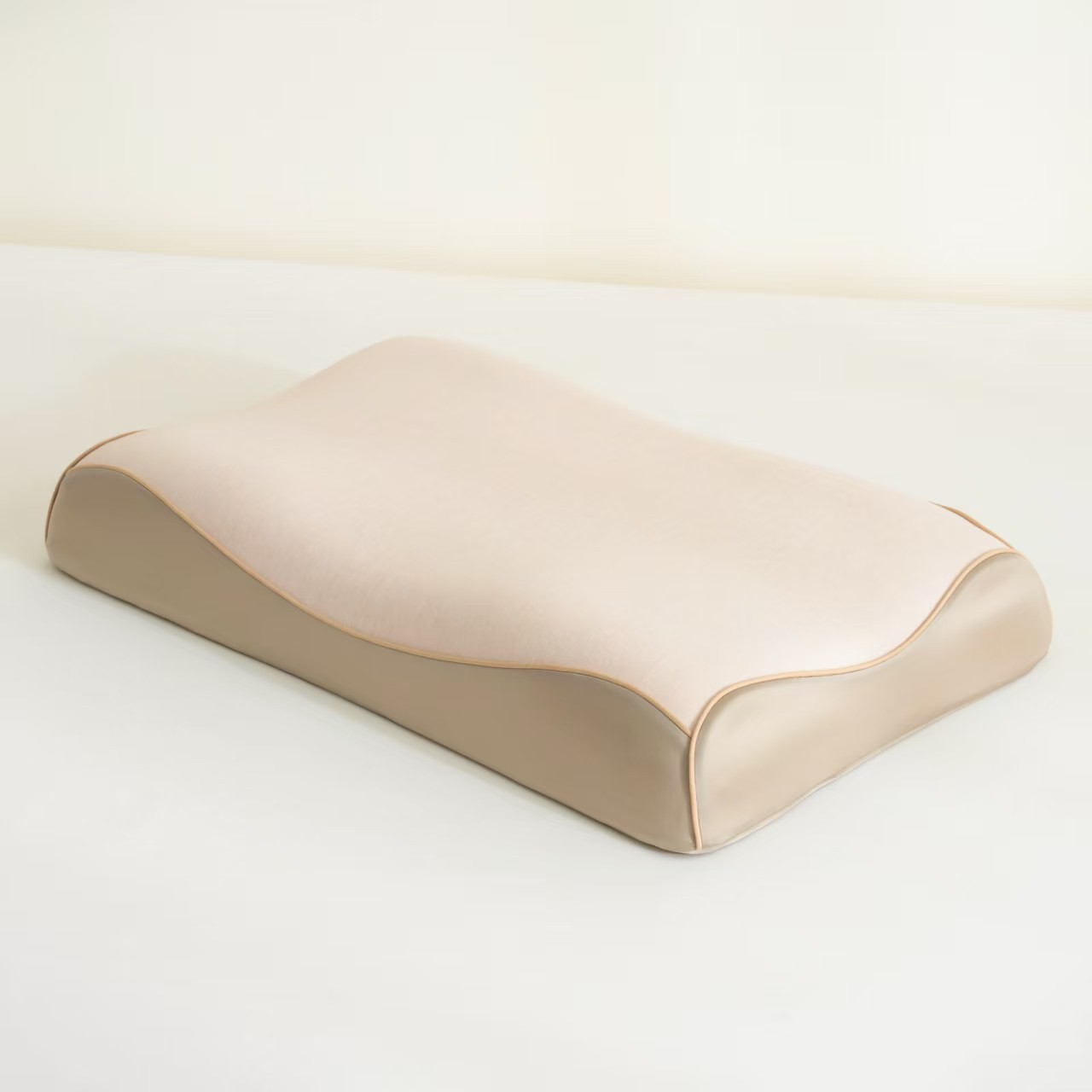
- Fabric selection, printed packaging and ocean freight form one cost system. A heavier cover or larger color box can reduce container loading quantity, while aggressive vacuum packing can create recovery, odor and cover-wrinkling risk.
1. Fabric Composition and GSM Control
Do not approve a cover from a fabric name alone. Lock Fabric Composition, construction, finished GSM, stretch direction, closure, seam allowance and dimensional-change test method.
Control Field | Factory Target | Release Evidence | Shipment Check |
|---|---|---|---|
Fabric Composition | 95% polyester / 5% elastane | Mill specification and approved swatch | Label and random-lot document check |
Finished GSM | 240 +/- 10 g/m2 | Conditioned fabric test | Retained-lot comparison |
Shrinkage | <=3% after approved care cycle | Finished-cover measurement | Random finished-cover check |
Pilling | Grade >=4 after 5,000 cycles | ISO 12945-2 result | Retained fabric comparison |
Pantone Matching | Delta E <=2.0 under D65 | Lab dip and shade-band check | Production-lot shade check |
Vacuum Compression | 3:1 target | Packed sample and recovery record | Random pack-out audit |
Master Carton CBM | 0.135 CBM; 20 units; 620 x 420 x 520 mm | Final carton trial | Shipment carton measurement |
These are reference control targets for quotation and sampling. The approved fabric, care cycle, test method and packed sample determine the final release standard.
2. Fabric and Packaging Approval Record
Connect Fabric MOQ, packaging MOQ and finished-unit acceptance in one approval record. Each field should show the buyer specification, factory evidence and shipment check.
Approve logo artwork, size, position and process through a Free Packaging Mockup and physical strike-off. Freeze the unit-pack BOM and master-carton specification before production.
3. Unit Pack and Master Carton CBM
Calculate carton CBM from final external dimensions: length x width x height in meters, multiplied by carton count. Do not quote freight from an early nominal box size.
Compare standard loose fill, controlled fold and Vacuum Compression. The lowest theoretical CBM is not acceptable when the pack creates delayed recovery, trapped odor or permanent cover creasing.
4. FBA, LCL and FCL Quotation
An FBA-ready specification should state final unit dimensions, barcode zone, sealed-unit requirement, insert plan and master-carton marks. Confirm whether the factory or buyer applies carton labels and whether the labor is included.
Request EXW and FOB on the same pack data. Compare LCL and FCL using the same carton count, route, shipment week and forwarder assumptions.
5. Unified OEM Packaging BOM
Our factory can coordinate cover, logo, insert and carton approvals while supporting flexible small-batch packaging combinations. Artwork versions, Pantone references and carton measurements are checked before release.
Explore Technical Specs for the Tie-On Linen Seat Cushion
Explore Technical Specs for the Cooling Wave Latex Pillow
Request a Custom Bulk Quote