Memory Foam Pillow Cover Fabric Sourcing: MOQ, Wash Tests and OEM Approval
Control fabric MOQ, Pantone matching, shrinkage, pilling and care-label approval before private-label memory foam pillows enter bulk production.
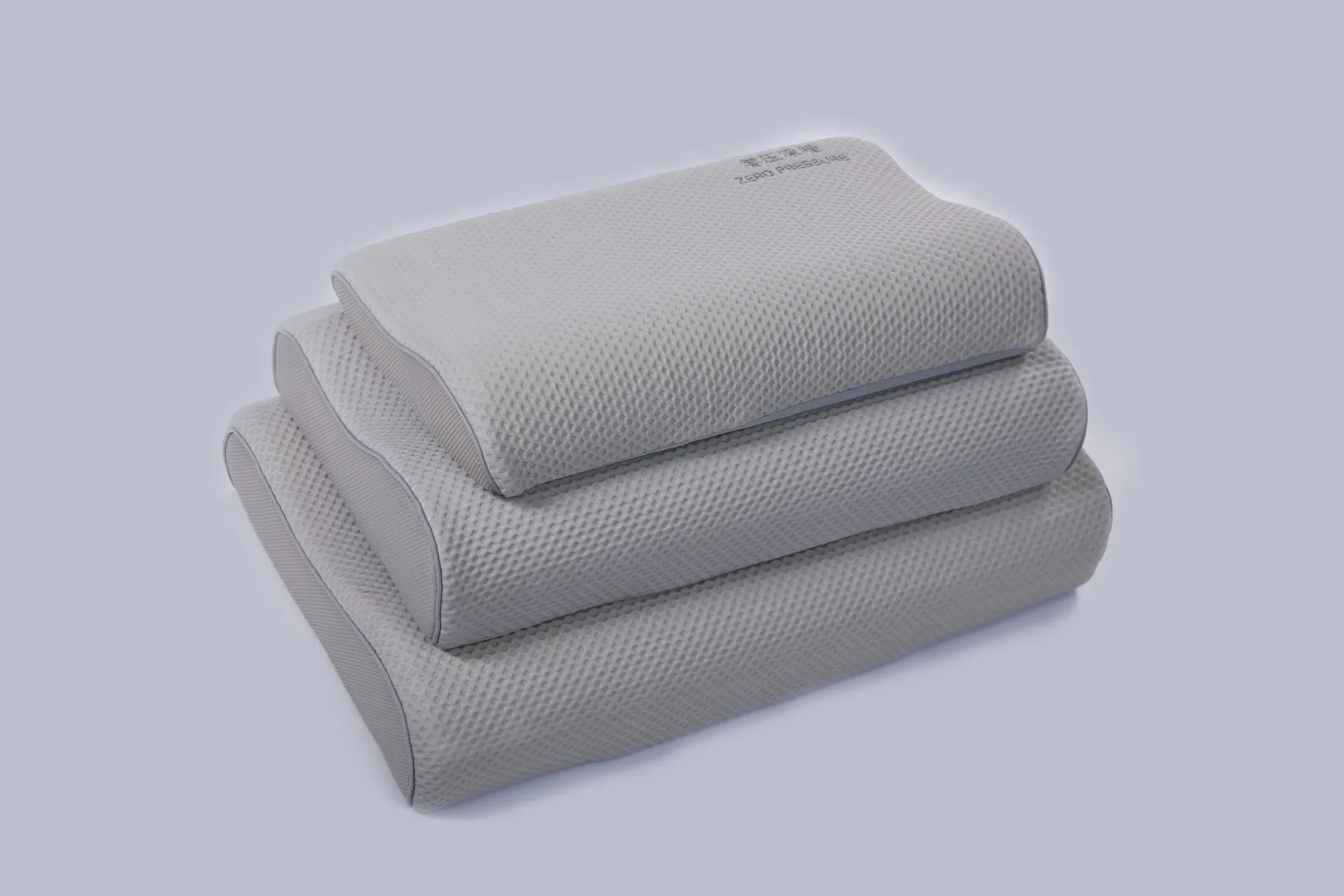
For B2B buyers, a removable pillow cover is not a minor trim choice. It can set the real Fabric MOQ, delay a launch because a dye lot is not approved, or create a claim dispute when a cooling or washable surface is not tied to a controlled sample.
Amazon FBA sellers, private-label brands, wholesalers and hotel buyers should separate the pillow MOQ from the fabric, zipper, label and carton commitments behind it. The practical goal is to release one cover specification that purchasing, sampling, inspection and freight teams can all read the same way.
Separate Pillow MOQ from Fabric MOQ
A factory may be able to assemble a low-volume order from an established foam core, while a custom dyed knit, jacquard pattern or printed care label has a different supplier minimum. Treating these as one number hides the component that can leave excess material or change the unit cost on a repeat order.
Ask for the quotation to identify core MOQ, fabric MOQ, zipper or piping MOQ, woven-label MOQ, printed-packaging MOQ and export-carton MOQ separately. This does not force a supplier to disclose every internal cost; it gives the buyer a usable decision path for an existing-color launch versus a fully custom program.
For an early market test, an approved stock fabric with custom labels and packaging may be more commercial than a new colorway. When the brand needs a new surface direction, quote the additional fabric commitment as its own controlled line item rather than calling the whole order low MOQ.
Choose the Cover Route Before You Approve Artwork
| Cover route | Typical buyer use | MOQ exposure to confirm | Evidence before bulk release |
|---|---|---|---|
| Existing solid-color knit | Fast private-label launch with cover, label and pack changes | Stock availability by color, roll reservation and trim MOQ | Fabric swatch, composition declaration, weight-per-area record and finished sample |
| Custom dyed knit | Brand color program or coordinated product range | Dye-lot commitment, minimum meterage and color-control process | Pantone or approved color standard, pre-production swatch and lot identification |
| Jacquard or cooling-face fabric | Feature-led retail or channel-specific cover program | Technical fabric availability, pattern repeat and specialty finishing MOQ | Construction sample, claim-supporting material file and approved care instruction |
| Woven or quilted cover | Hotel replenishment, protective cover or premium presentation | Fabric roll, quilting or padding inputs, zipper and sewing-component MOQ | Stitching sample, seam inspection points, wash plan and packed-unit review |
The same outer appearance can come from very different constructions. Record fabric composition, fabric weight, stretch direction, face and backing, zipper type and label position before you compare quotations from different factories.
Turn a Swatch into Production Controls
A swatch confirms only a small part of the program. The Sample Approval Sheet should connect the fabric reference to the finished pillow: cover pattern, cut direction, seam allowance, zipper puller, piping or mesh detail, care label artwork, logo method and unit packaging.
For a color-controlled program, identify the physical standard that governs approval: Pantone reference, signed swatch, lab dip or an approved first-production sample. Do not leave “grey,” “blue” or “cooling fabric” as an unmeasurable chat instruction.
Free Mockup artwork is useful when it shows the label position, logo scale, carton panel and color-box layout before samples are cut. Our factory can prepare that Free Mockup, move rapidly to a cover sample, and keep the approved files attached to the same order release.
Approve Wash, Pilling and Color Change as a Test Plan
For removable covers, the buyer should define the relevant wash method, cycle count, drying condition and acceptable outcome before sampling begins. A generic statement that a cover is “washable” does not define acceptable shrinkage, seam condition, color change, hand feel or zipper performance after testing.
Apply the same discipline to pilling and abrasion concerns. Agree the test method or buyer protocol, the material to be tested and the pass or fail decision in advance; then retain the test sample or report with the approved fabric file.
Care-label instructions must match the approved test plan, not a template from another cover. For a US or EU channel, buyers should also verify that fibre content, origin and care declarations are reviewed for the target market before mass printing.
Release the Cover with Pack-out and Inspection Evidence
Cover appearance can change after vacuum packing, freight dwell time or warehouse handling. Include the finished cover in the vacuum packaging test and check that the unit bag, barcode location and master carton CBM still match the released artwork and carton specification.
For FBA programs, control label placement and unit-pack details alongside the fabric sample, then use the Amazon FBA preparation checklist before booking shipment. A pre-shipment inspector should compare the bulk cover against the signed sample, including stains, sewing defects, color consistency, zipper function and carton marks.
Our flexible small-batch process can start from an existing cover construction, then scale after the buyer approves fabric and packaging evidence. We combine rapid samples with controlled defect checks so that a custom cover does not become an uncontrolled change after the foam core is approved.
[ Explore Technical Specs for the Ergonomic Memory Foam Cervical Pillow ]