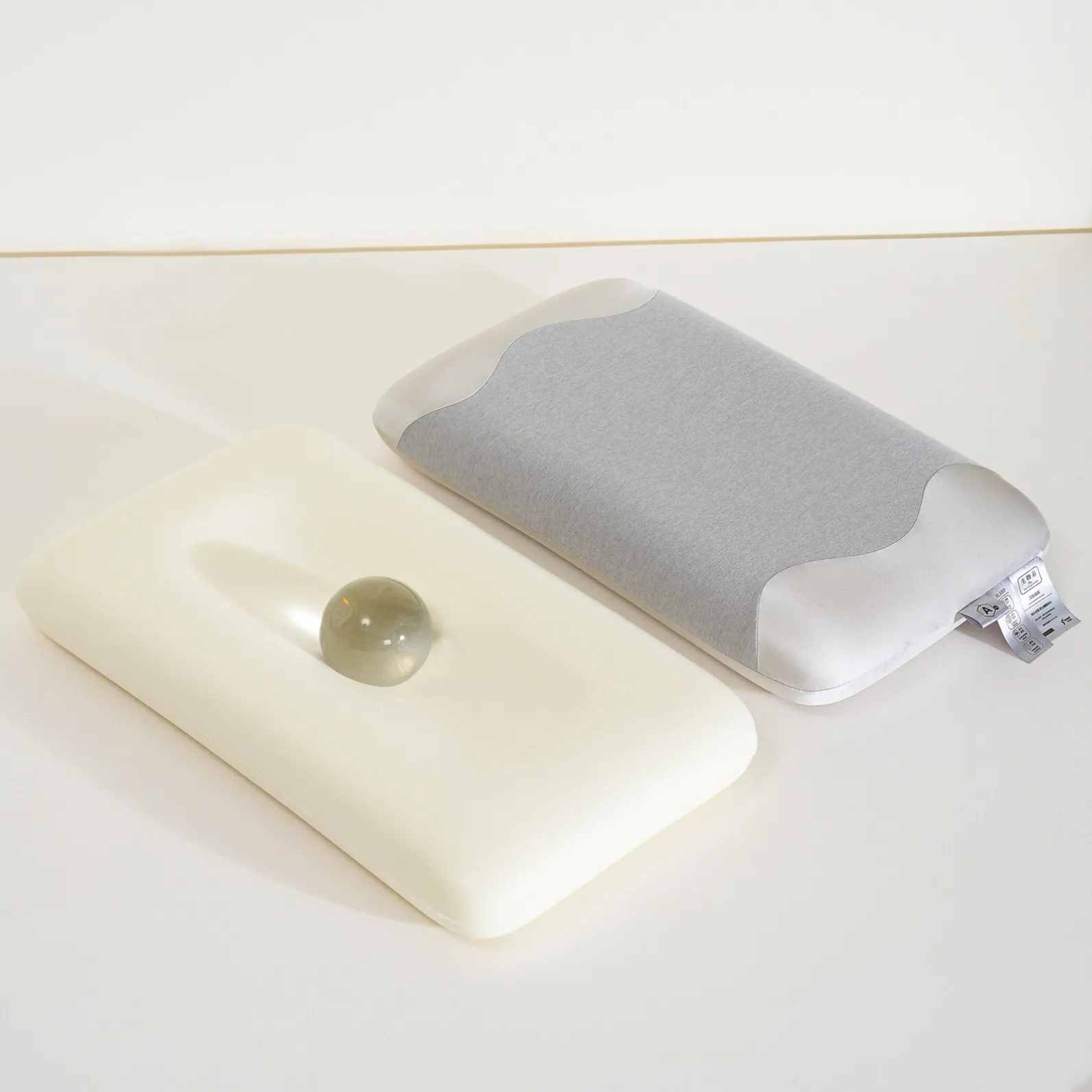
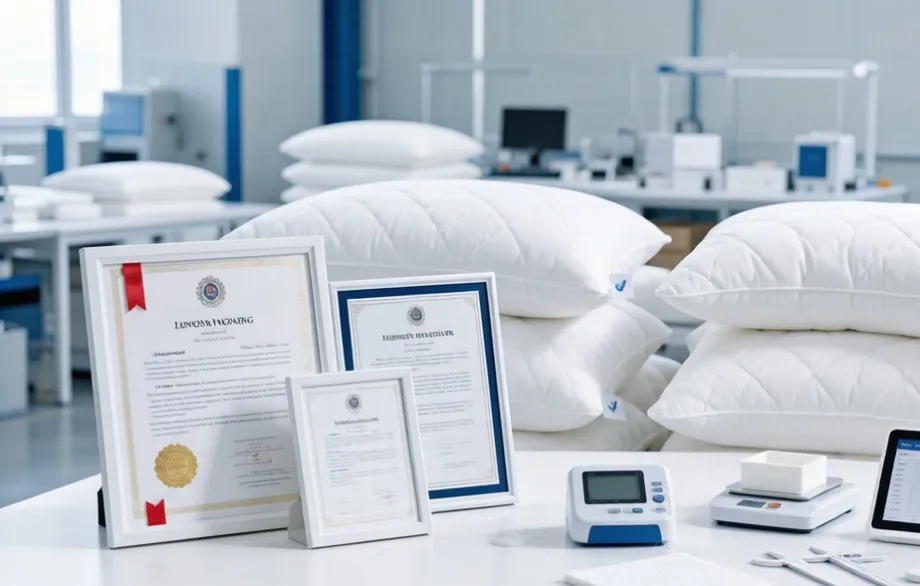
Memory Foam Pillow Golden Sample Checklist for OEM Orders
Use a signed golden sample and revision-controlled approval sheet to keep foam, cover, branding and pack-out aligned before OEM bulk production begins.
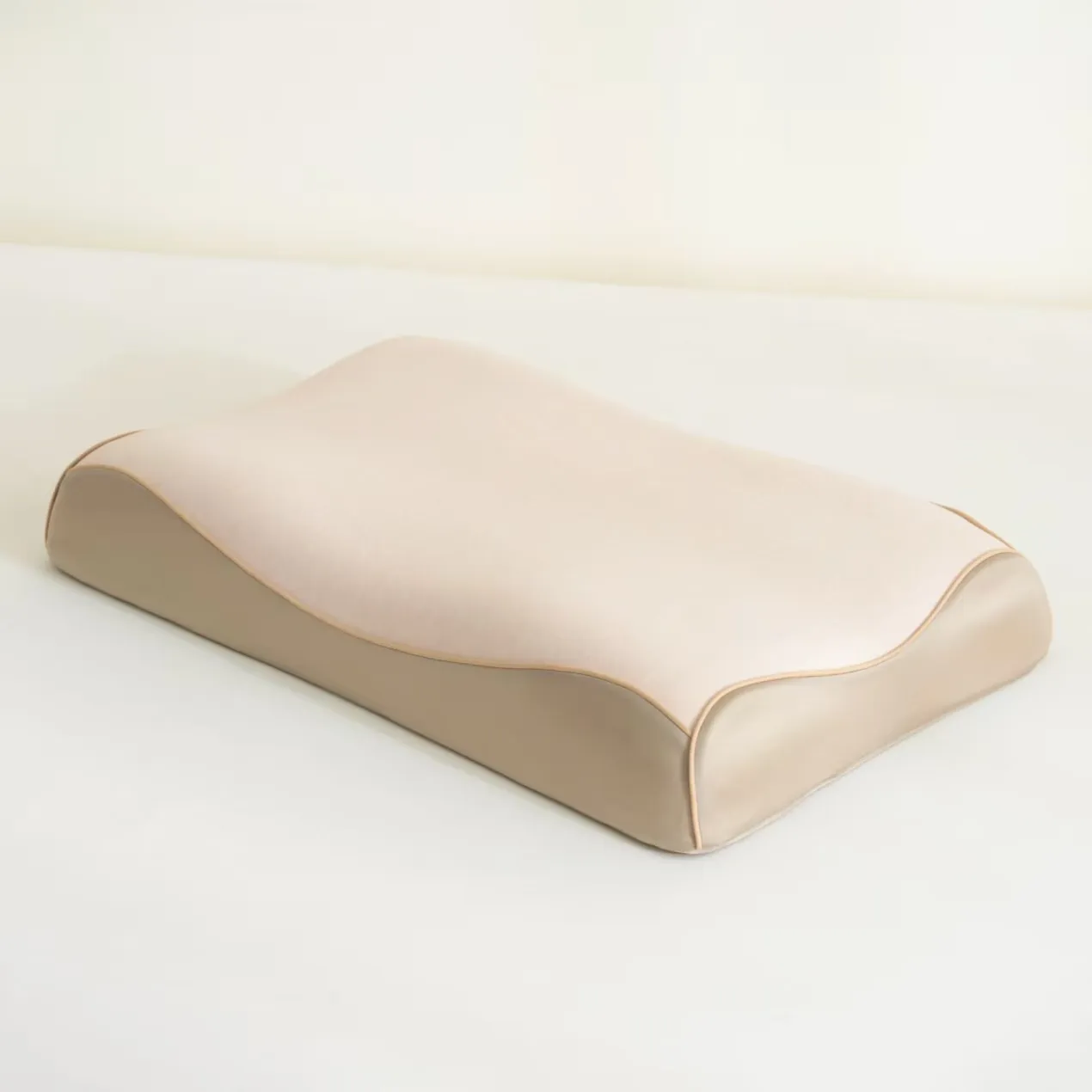
Buyer concern: For Amazon FBA sellers, private-label brands, distributors and hotel buyers, the commercial risk starts when a factory and buyer treat an early sample as the final production reference without freezing its version. Recent sourcing discussions show that an RFQ can become impossible to compare when suppliers make different assumptions about tolerances, carton dimensions or test requirements.
Procurement focus: A memory foam pillow golden sample should control the foam core, removable cover, branding and pack-out together. The practical goal is a revision-controlled record that tells both sides exactly what bulk production must match before material release.
Define the Golden Sample as a Controlled Production Reference
A golden sample is not simply the best-looking pillow from a sample box. It is the identified reference unit, with agreed documents and component details, used to decide whether the bulk lot is acceptable.
Give the unit a sample code, approval date and revision number. Photograph its profile, label placement, cover construction, unit pack and outer carton marks so the approval does not depend on memory or an email attachment.
For a memory foam pillow, the approval must state the ordered foam density target, pillow dimensions, core geometry and firmness direction as PO-specific requirements. A certificate or a factory standard is supporting evidence; it does not replace the buyer-approved specification for the ordered model.
Freeze Product and Pack-Out Records Together
A buyer can approve the pillow itself and still receive the wrong retail result if the cover, colour box, barcode or carton record changes later. The sample release should therefore include the packed unit and the shipping carton, not only the foam core.
| Control item | Golden-sample record | Evidence to retain | Bulk-release condition |
|---|---|---|---|
| Foam core | Model code, dimension drawing, foam density target and agreed firmness direction | Approved sample photos, lot reference and PO specification revision | Core material may be released only against the approved revision |
| Compression recovery | Agreed vacuum compression method, packed condition and recovery observation point | Compression sample record and dated recovery check | Any changed bag, valve or compression route requires re-check approval |
| Cover and trim | Fabric composition, colour reference, zipper or piping detail, logo placement and care-label version | Swatch, artwork proof and signed placement photos | Fabric or label substitution is blocked until the buyer signs a new revision |
| Retail packaging | Unit bag, insert, colour box, barcode, language copy and shipping marks | Approved dieline, Free Mockup revision and final artwork file list | Printing begins only after the final proof and barcode are matched to the PO |
| Master carton | Carton quantity, carton marks, gross-weight record and master carton CBM | Carton photo, packing configuration and freight-ready measurement record | Freight booking uses the final measured pack-out, not an early estimate |
Use a Revision-Controlled Sample Approval Sheet
One approval sheet should name every controlled component and show the current revision. The buyer, merchandiser and factory QC team then work from the same list instead of reconciling separate chat messages.
Record each change by item, reason, new revision, approver and effect on cost, MOQ or cargo-ready timing. This matters when a low-MOQ program changes a woven label, colour box or cover fabric after the initial sample, because a component supplier may need a different production release.
For flexible custom programs, a factory can provide a Free Mockup before physical sampling. Treat it as artwork approval only: it must be followed by a physical packed sample whenever the logo method, placement, material or carton specification is part of the purchase decision.
Test the Same Configuration That Will Ship
Do not test an unpacked core and then assume the compressed retail unit will perform identically. The recovery check should use the approved cover, unit bag and compression route, with the buyer-defined inspection point recorded on the sample sheet.
For FBA programs, include barcode location, scannability, suffocation-warning copy where applicable, unit protection and carton marks in the packed-unit review. For hotel and wholesale programs, confirm the receiving label, carton quantity and documentation reference before the carton order is released.
The factory's pre-production sample should be compared against the golden sample before bulk sewing or packing starts. Fast sample development is useful only when the approval version is traceable and the QC team has the same release record.
Release Bulk Only After Discrepancies Have an Owner
Before bulk release, review every open difference against the approved sample: core profile, cover construction, brand component, unit pack and carton. Decide whether it is accepted, corrected, re-sampled or held; do not leave it as an informal note.
The same record supports pre-shipment inspection. It lets the buyer define the inspection scope and defect rate handling before cargo hand-off, rather than debating which sample was authoritative after a container is booked.
For timing control after sample approval, see our OEM lead-time plan. For branding components, use the woven label and low-MOQ pack-out checklist. For compressed pack testing, review the vacuum packaging test guide.
Our factory supports flexible low-volume custom programs with rapid sample development, Free Mockup review and controlled defect handling. Send the target model, channel requirements and pack-out brief so the first sample can be prepared as an approval record rather than a loose reference.
[ Explore Technical Specs for Ergonomic Memory Foam Cervical Pillow ]