Jul 22, 2026Buyer Guides
Pre-Shipment Inspection for Bulk Pillows: AQL, Golden Sample, Compression Recovery and Carton Release
Build a shipment-release checklist for bulk pillows covering AQL defect classes, Golden Sample matching, vacuum recovery, FBA unit packaging and master-carton CBM.
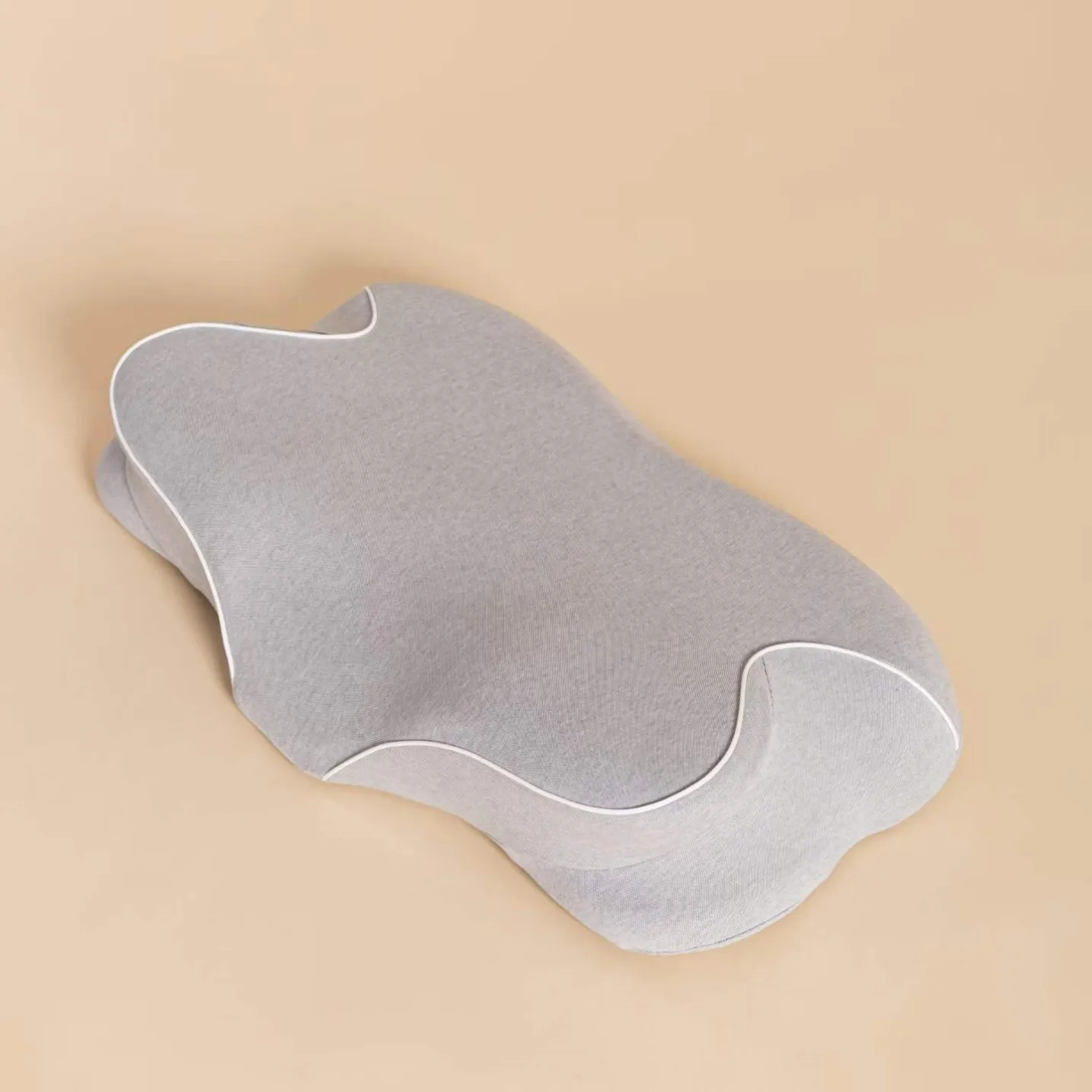
Overseas buyers repeatedly face the same release failure: the approved sample looks correct, but bulk units arrive with different foam weight, weak seams, mixed labels or compressed cartons that do not recover after ocean transit. The commercial control point is a written Pre-Shipment Inspection plan that links product tolerances, packaging evidence and shipment release to the approved purchase order.
For Amazon FBA sellers, brand founders, wholesalers, corporate-gift buyers and hotel supply teams, inspection must happen before the goods leave the factory. Photos of selected units are not enough when the inspector cannot trace each result to a Golden Sample, lot number, carton mark and signed release rule.
1. Freeze the Golden Sample and Release Standard
Approve one finished, packed Golden Sample and keep a duplicate at the factory. The approval sheet should lock core dimensions, Core Weight, foam density or fill weight, firmness method, cover composition, logo position, unit pack, barcode zone and master-carton specification.
The buyer specification should state both the target and tolerance. For memory foam programs, connect the release sheet to the existing memory foam density and compression recovery controls instead of relying on hand feel or a supplier description such as 50D.
Every production change needs a documented approval version. A fabric substitution, label revision or carton-size change cannot be accepted through chat messages alone because it affects inspection, CBM and marketplace preparation.
2. Convert AQL into Pillow Defect Classes
ISO 2859-1:2026 defines AQL-indexed sampling schemes for lot-by-lot inspection. AQL is not a guarantee that every unit is defect-free; the purchase order must also define the lot, inspection level, defect classes and the acceptance/rejection table used by the inspector.
The following is a quotation-stage working plan. Final sample size and Ac/Re numbers must be calculated from the confirmed lot quantity, selected inspection level and buyer-approved sampling plan.
Inspection Class | Working AQL | Pillow and Packaging Examples | Shipment Release Rule |
|---|---|---|---|
Critical | 0.0 | Safety hazard, prohibited material, false compliance marking, missing mandatory warning | Reject on any critical defect and hold shipment |
Major | 2.5 | Core size or weight outside tolerance, open seam, zipper failure, unreadable barcode, recovery below the agreed limit | Apply the approved sample size and Ac/Re threshold |
Minor | 4.0 | Loose thread, removable mark, small shade or print deviation inside the buyer limit | Record and release only within the approved Ac/Re threshold |
Pack Audit | 100% of sampled units | Bag seal, barcode, warning, quantity, carton mark and SKU version | No mixed SKU, artwork or label version in sampled cartons |
Defects must be measurable. Replace vague terms such as acceptable appearance with limits for seam opening, stain area, color difference, embroidery position, dimension tolerance and packed-unit damage.
3. Test Vacuum Compression and Recovery
Inspect the packed product, not only an unpacked production unit. Record the Vacuum Compression Ratio, packed dimensions, seal method, opening time and recovered height against the approved pack sample.
For a reference 3:1 Compression Ratio, a working release target can require at least 90% recovered height after 30 minutes at 23 C. When the order may remain compressed during a long ocean route or warehouse dwell, retain samples for 30, 90 and 180-day recovery checks.
The inspector should also record odor grade, permanent cover creasing and seam distortion after opening. A unit that passes dimensions before packing can still fail the commercial release after extended compression.
4. Inspect Cover, Labels and FBA Unit Packaging
Match the cover to the approved BOM for Fabric Composition, finished GSM, stretch direction, shrinkage, pilling, color and closure construction. Use the fabric, packaging and master-carton CBM control guide to connect textile approval with packed dimensions and ocean freight cost.
For FBA programs, confirm the destination marketplace's current preparation rules before production. Amazon's July 2026 FBA preparation guide states that textile products requiring bagging need secure packaging, readable external barcodes and a suffocation warning for bags with an opening larger than 5 inches.
Freeze the FNSKU, country-of-origin mark, suffocation warning, insert and carton-label versions on the approval sheet. The inspector should scan barcodes and photograph the final unit pack inside the sampled master carton.
5. Release Master Cartons, Freight and Final Payment
Measure the final external carton, not the artwork dieline. A carton measuring 620 x 420 x 520 mm equals 0.1354 CBM, calculated as 0.620 x 0.420 x 0.520; multiply this figure by the confirmed carton count for the freight quotation.
Compare carton measurements, gross weight, unit count and loading quantity against the packing list before authorizing pickup. Use the same final pack data for EXW, FOB, LCL and FCL comparisons so a lower factory price is not offset by larger cartons or repacking charges.
For trial orders, connect inspection cost to the Low-MOQ component approval framework. Small runs can use stock fabric, a standard unit bag and simplified printed components, but the Defect Classification and shipment release record should not be simplified.
Our factory supports flexible small-batch configurations, a Free Mockup, rapid packed-sample approval and a defined defect checklist. The quotation can include the finished product specification, unit pack, master-carton dimensions, CBM, sample schedule and pre-shipment inspection file.
Explore Related OEM Sourcing Guides