Memory Foam Pillow Certification Checklist: Verify CertiPUR-US, OEKO-TEX and OEM Document Scope
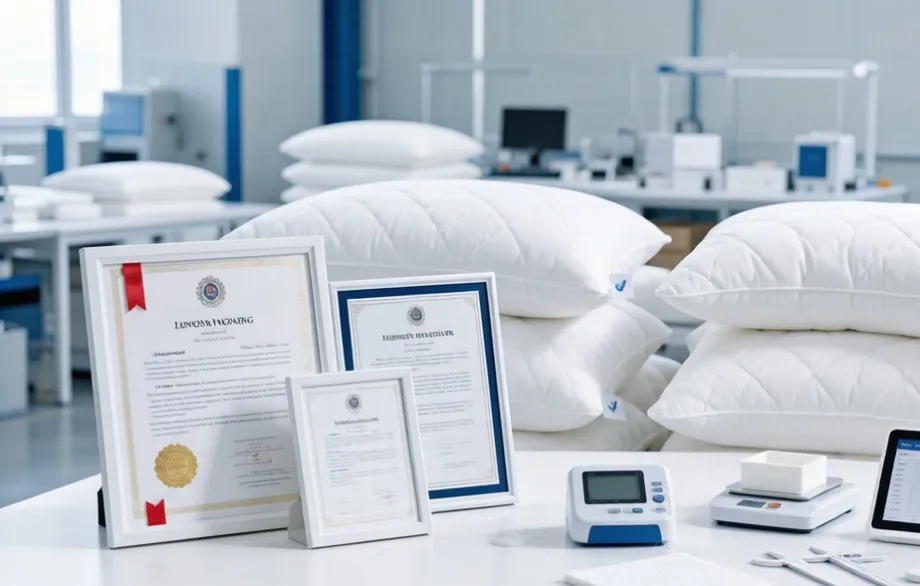
Use a PO-linked document-control process to verify CertiPUR-US foam evidence, OEKO-TEX textile scope, factory audit records and inspection files before an OEM memory foam pillow shipment.
An OEM pillow document set can look complete while its foam evidence belongs to a different producer, its textile certificate describes a different article, or its audit covers a facility that does not handle the order. For importers, the commercial risk is a claim package that cannot be tied to the purchase order, retailer file or marketplace review.
This checklist is for Amazon FBA sellers, brand founders, wholesalers, corporate gift buyers and hotel sourcing teams buying memory foam pillows from an OEM supplier. It separates material evidence, factory audit records and shipment-release files so each document has a defined job.
Start With Scope, Not a Logo
CertiPUR-US applies to flexible polyurethane foam. It does not certify finished product lines, brands, factories or every component inside a pillow. Ask which foam producer supplied the selected core, then keep a supplier declaration that links the agreed foam construction to the purchase order.
OEKO-TEX Standard 100 evidence must be read against the certificate scope and product description. A cover claim should not be transferred to the foam, zipper, woven label or packaging unless the supplied evidence covers that component.
An amfori BSCI audit is social-performance evidence for a named facility. It is not a product-material test, a customs-clearance certificate or a replacement for market-specific documentation.
Link Foam, Textile and Factory Records to the PO
Use the signed sample approval sheet as the bridge between marketing claims and production. It should identify the core construction, approved cover composition, color reference, logo treatment, care label, retail packaging and master-carton specification.
For a molded core, include foam density, core dimensions, core weight and slow-recovery expectation as purchase-order controls. For a vacuum-packed item, add the defined compression ratio, recovery check and master-carton CBM to the release file.
The same identifiers should appear in the supplier declaration, inspection checklist and packing list. A certificate number alone does not prove that the ordered material was used in the shipment.
Certificate Review Table Before Deposit
| Document or record | What it can evidence | PO-linked check | Hold or release decision |
|---|---|---|---|
| CertiPUR-US foam evidence | Flexible polyurethane foam from the named foam producer. | Match the disclosed foam producer and agreed core construction to the approved sample and BOM. | Hold any CertiPUR-US claim until the foam source is identified in the order file. |
| OEKO-TEX Standard 100 evidence | The certified textile article and the certificate scope shown by the issuer. | Match cover composition, fabric article and intended claim wording to the certificate description and validity period. | Release a cover claim only when the supplied textile is within scope. |
| Factory social audit | Social-performance audit information for a named production facility. | Match legal factory name, address and audit period to the supplier responsible for the order. | Use for vendor approval, never as a substitute for product testing. |
| Golden sample and BOM | The approved commercial configuration for the exported unit. | Record foam core, inner cover, outer cover, zipper, label, logo, unit pack and carton spec. | Hold production release until buyer and factory sign the same version. |
| Pre-shipment inspection file | Lot-specific check of appearance, dimensions, packaging and labeling. | Reference PO number, approved sample version, AQL plan and carton marking. | Release final balance only after corrective actions are closed. |
Use Sample and Inspection Release Gates
Before deposit, approve a version-controlled Sample Approval Sheet. It prevents later disputes over embroidery location, woven-label layout, Pantone matching, fabric handfeel or carton print.
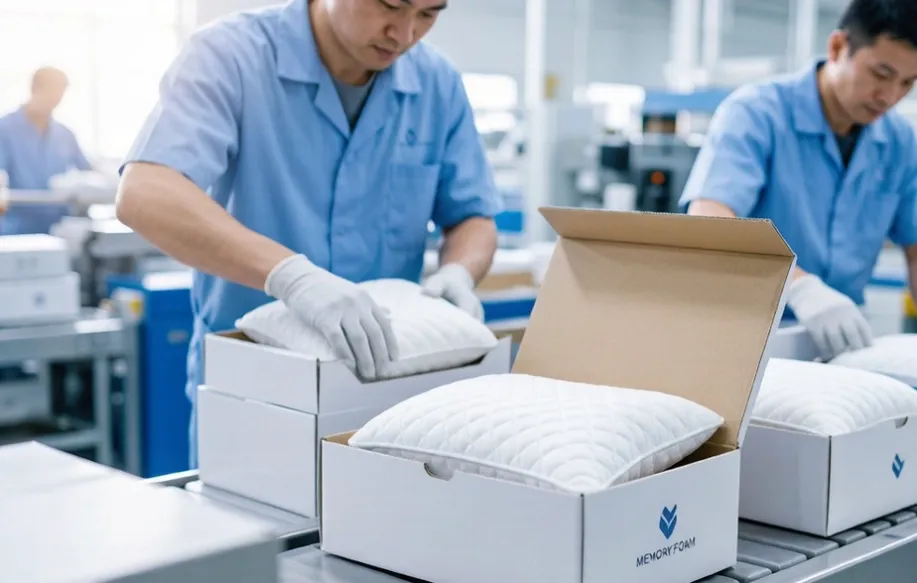
Before shipment, compare the factory packing list with the inspection file. The release pack should confirm unit quantity, master carton spec, gross and net weight, carton count, FNSKU or retailer labels where required, and vacuum-pack test evidence where compression is part of the program.
For ocean freight, use the same inspection file with the vacuum packaging recovery test. For production acceptance, align the document pack with the bulk pillow pre-shipment inspection checklist.
Keep Claims, Labels and Marketplace Files Consistent
Marketing copy, packaging artwork and marketplace submissions must use the same approved claim language. Do not add a certificate logo or broad compliance statement after sample approval without reopening the document-control review.
Our factory can support a flexible small-batch OEM specification with a Free Mockup, rapid sample preparation and a controlled pre-shipment document pack. Separate the core MOQ, fabric MOQ, label MOQ and packaging MOQ in the quotation so a low-volume program does not create an unapproved component change.
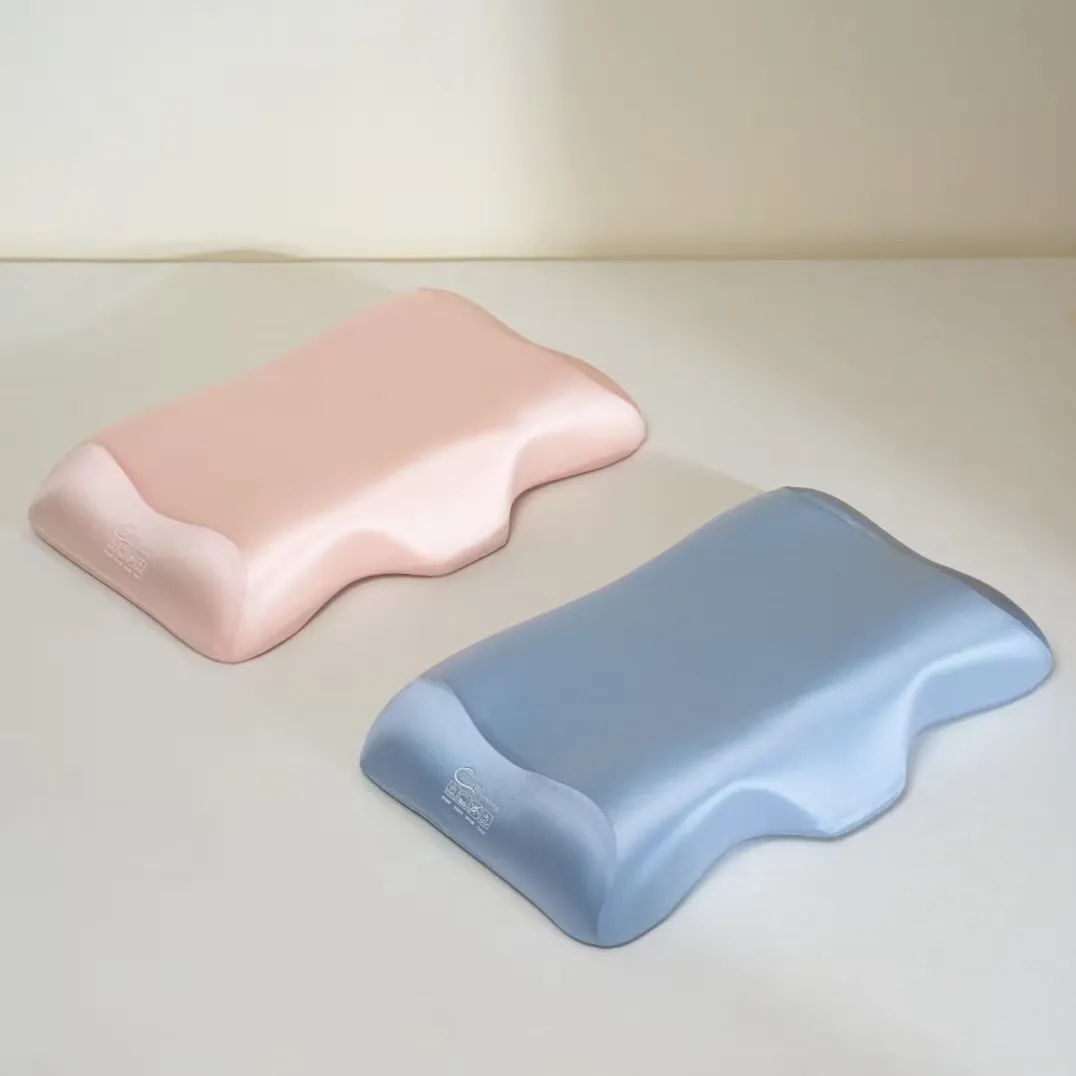
For technical construction reference, Explore Technical Specs for the Ergonomic Memory Foam Cervical Pillow. For broader quality controls, review Memory Foam Pillow OEM Quality Control.